 Search · Track · Review
01 / 08
Police & public safety
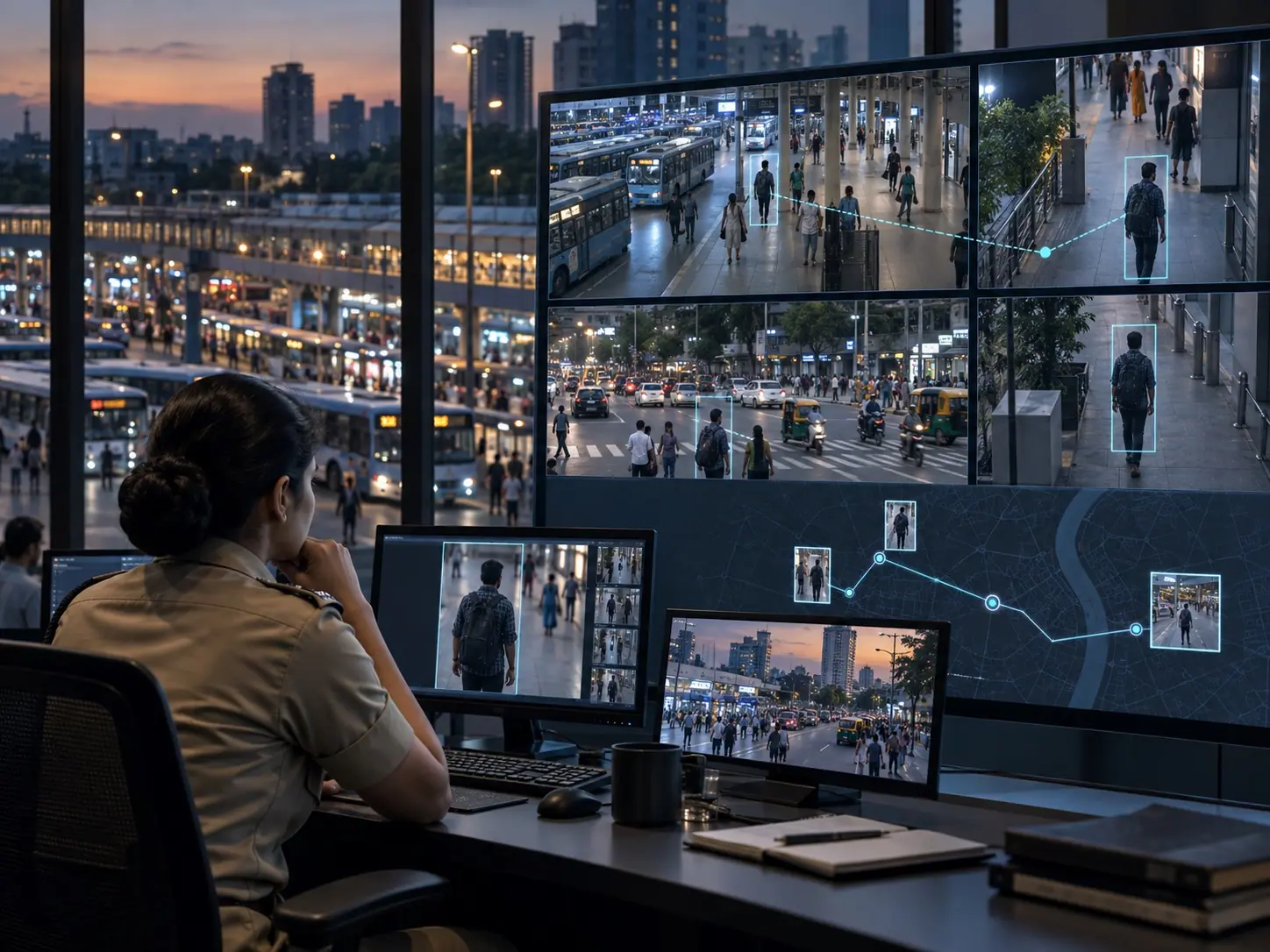
Track suspects across city cameras, find a vehicle from a partial plate, and turn days of manual review into a short list an officer confirms.

Every camera. One operational picture.
CCTV360Grid turns passive video into contextual intelligence—connecting events to cameras, locations, jurisdictions and the teams authorized to act.
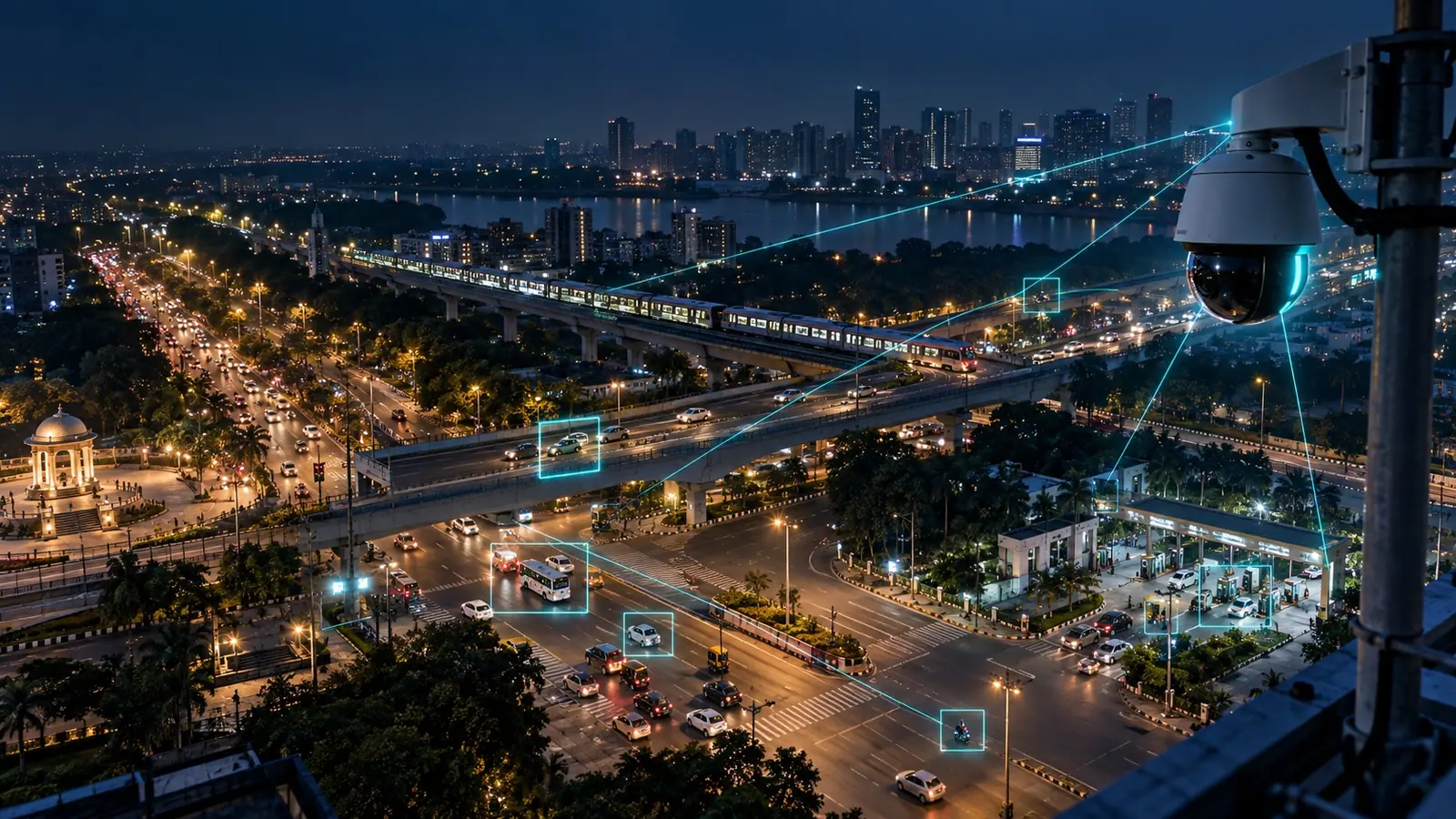
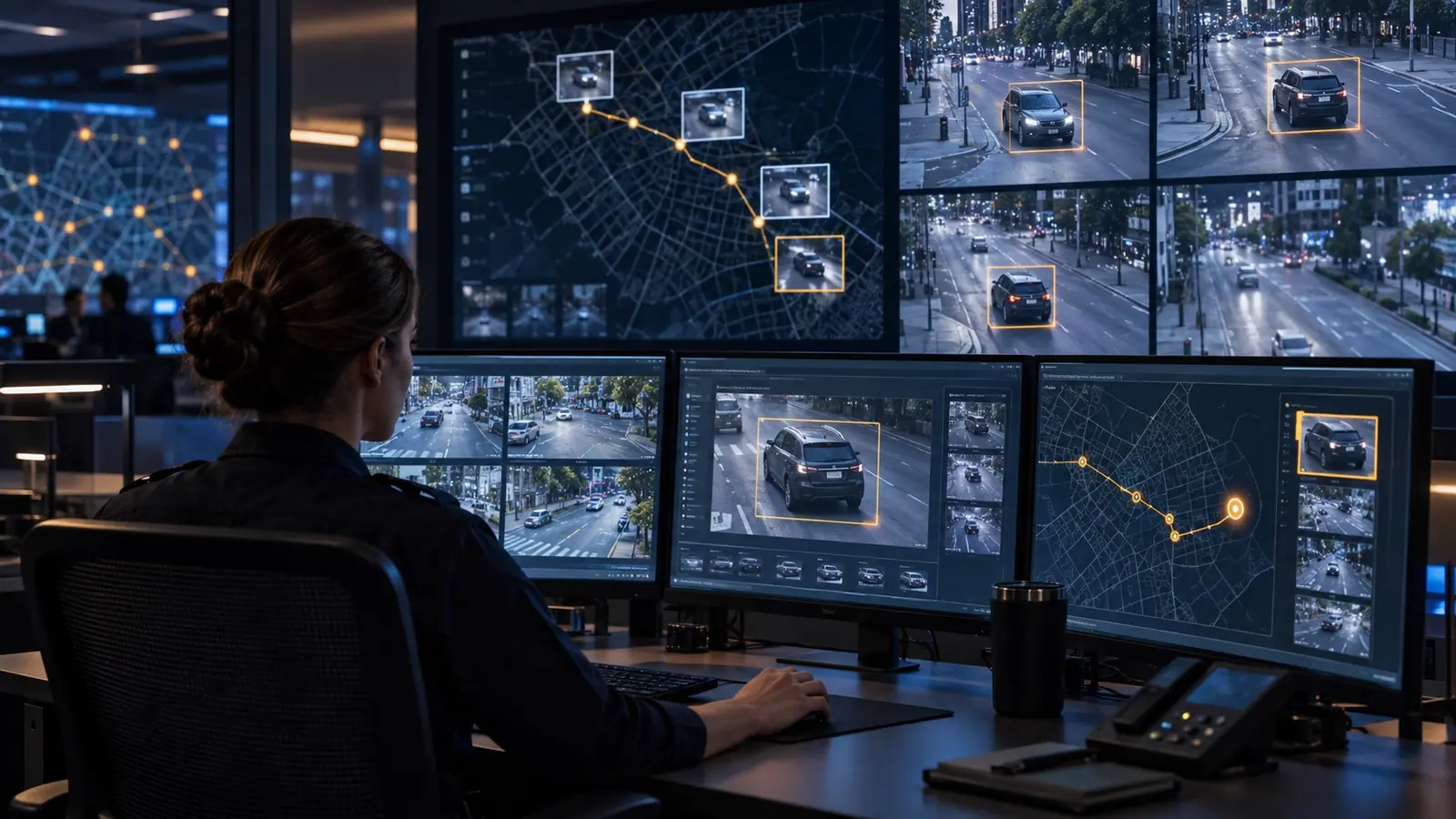
Vehicle sighting linked across 4 cameras
Describe what matters in plain words. CCTV360Grid keeps watch across the camera estate, understands each event in context, and brings the right evidence to the right operational team.
Every step adds the context operators need—without replacing judgment or the systems already in place.
Analytics produces an event.
Add camera, location and master data.
Identify the responsible department.
Route to the right user or responder.
Open the event, image or clip.
Acknowledge, respond, close and audit.
Authorized users define what they are looking for and incoming event intelligence does the repetitive watching. When an event matches, CCTV360Grid creates a sighting, associates it with context and routes it according to the configured response model.
Shift from continuous screen watching toward event-driven attention.
Combine event, camera, location and jurisdiction context in one operational view.
Route relevant intelligence to responders, check posts, enforcement teams and supervisors.
Use the same camera estate across multiple departments and missions without duplicating infrastructure.
One intelligence layer, configured around the mission. Each team sees the events, context and response path relevant to its role.
Search · Track · ReviewTrack suspects across city cameras, find a vehicle from a partial plate, and turn days of manual review into a short list an officer confirms.
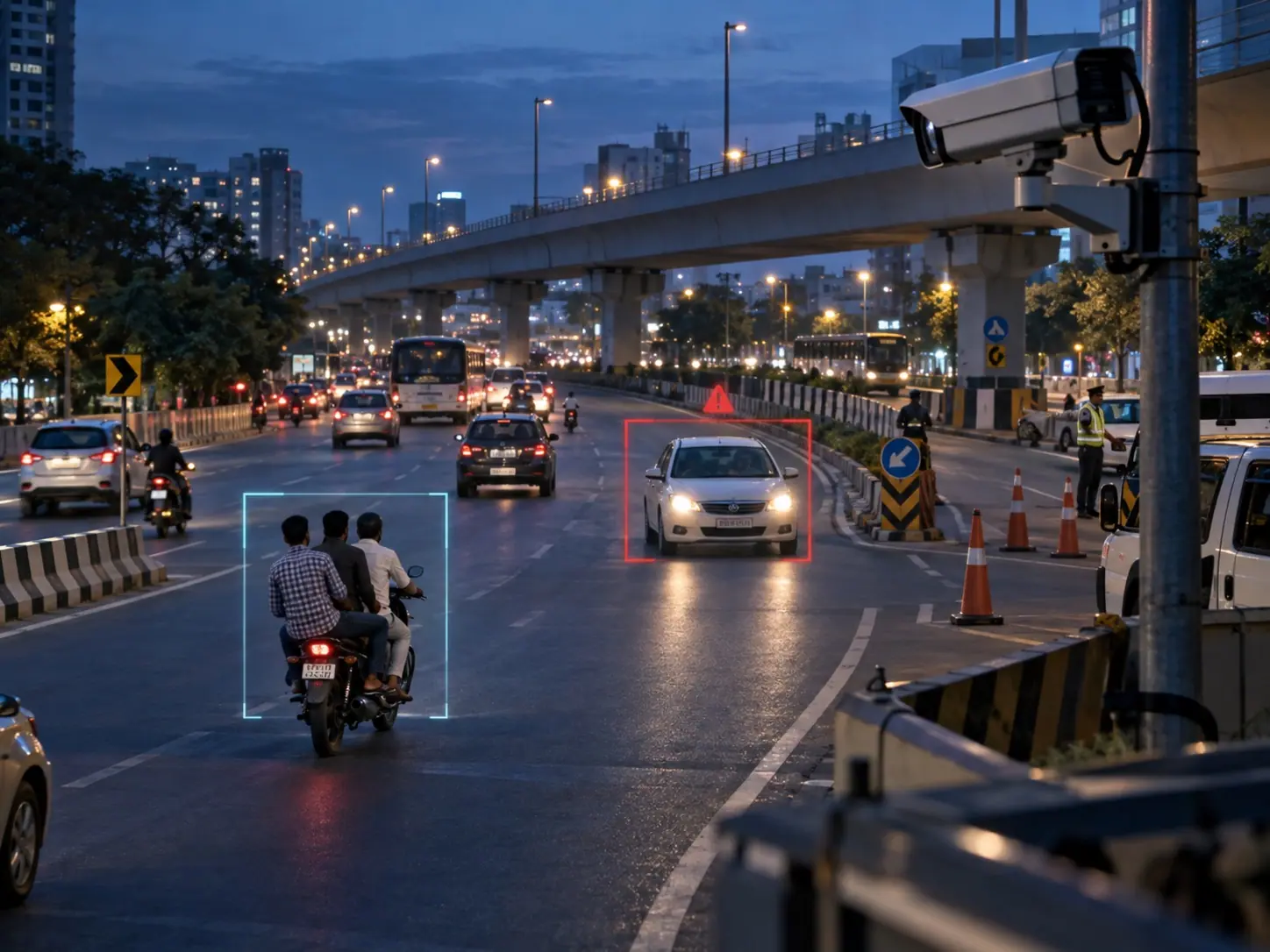 Detect · Route · Enforce
Catch no-helmet riding, triple-riding, wrong-way driving, and stopped vehicles, each with a snapshot for an officer to check before any fine is issued.
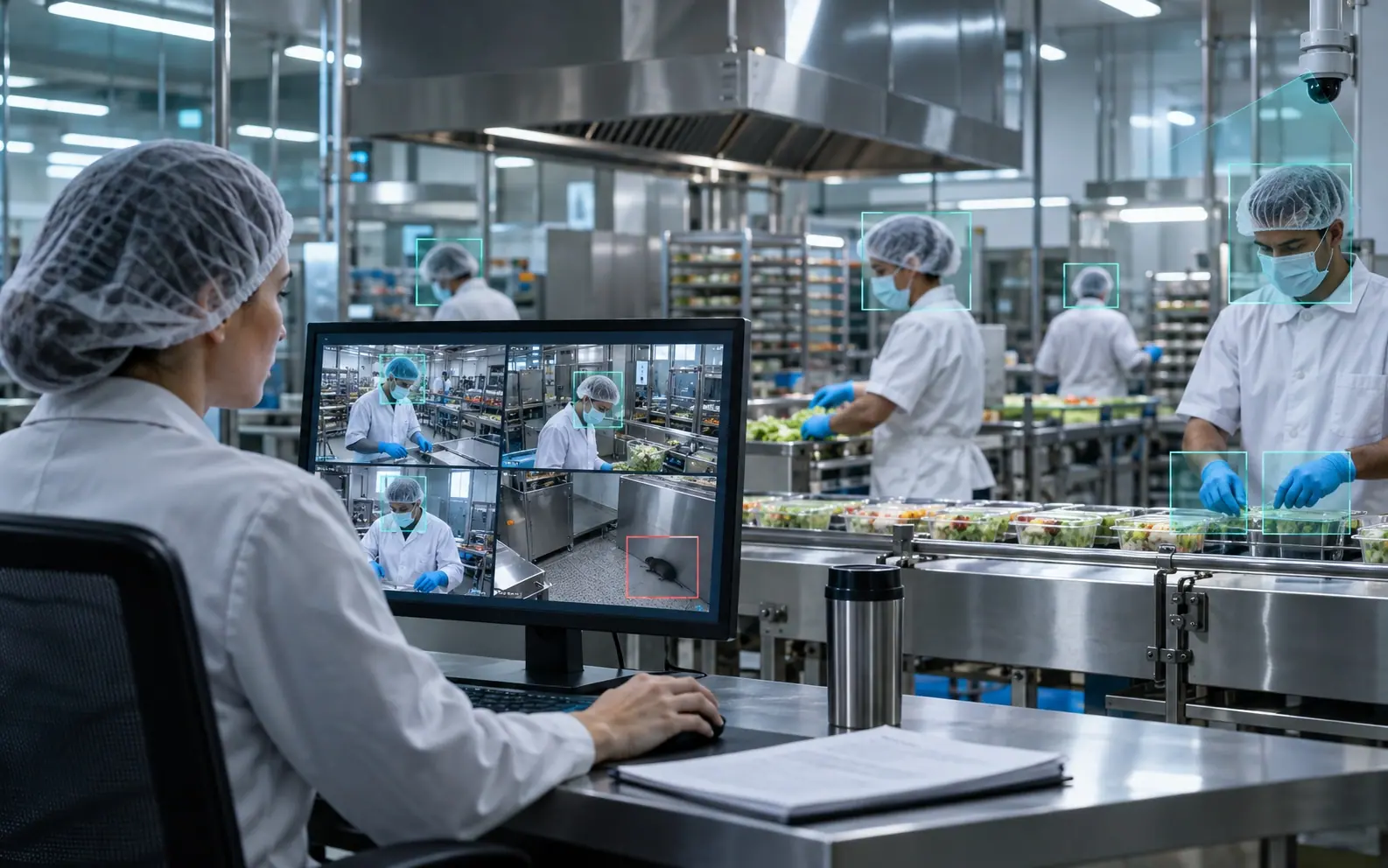 Hygiene · Review
Check kitchens and production lines for hygiene: gloves, hairnets, masks, and pests. Managers see only the flagged moments.
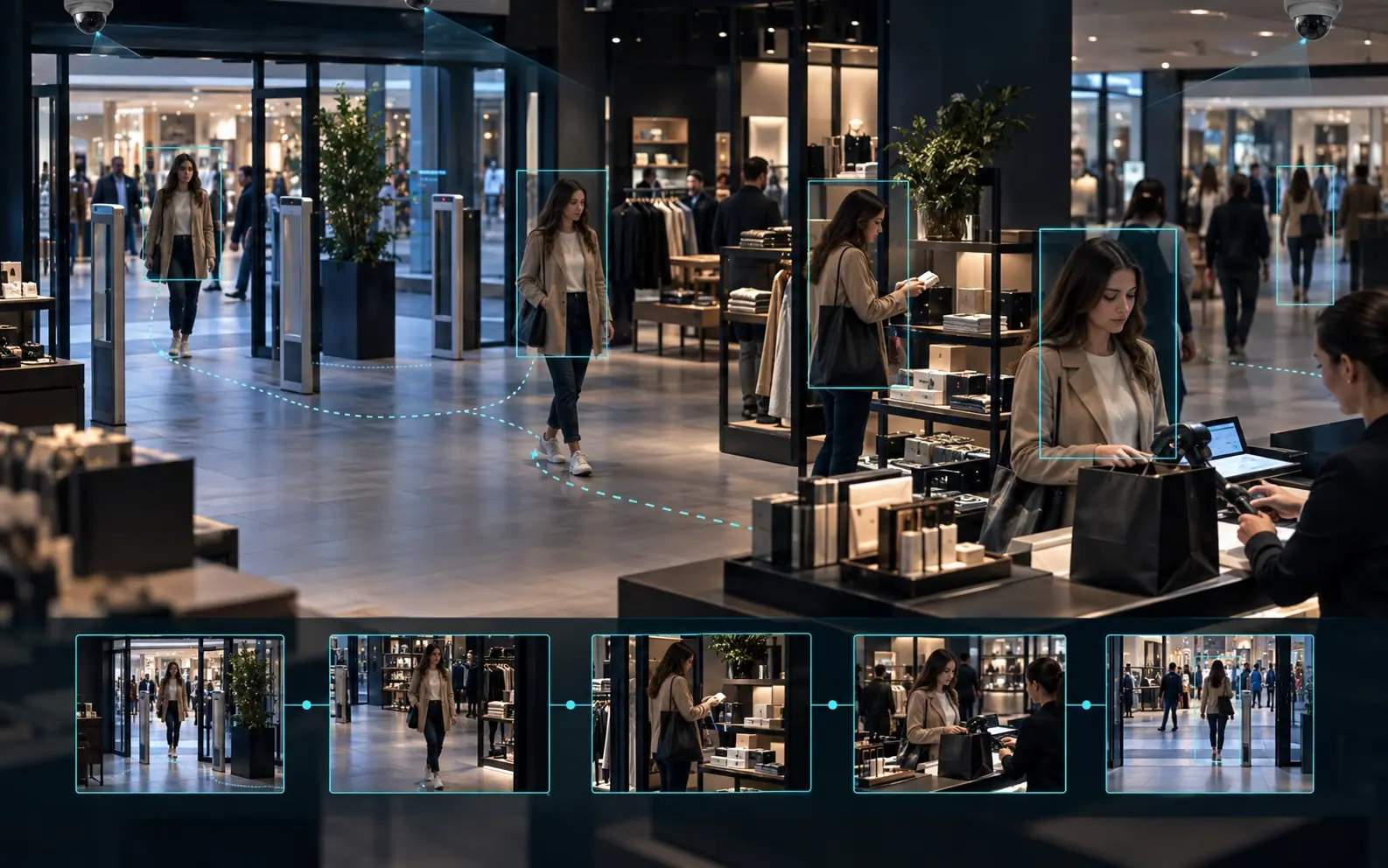 Trace · Compare
Catch shoplifting and cash-register fraud, follow a suspect from the entrance to the exit, and match repeat offenders against a watchlist.
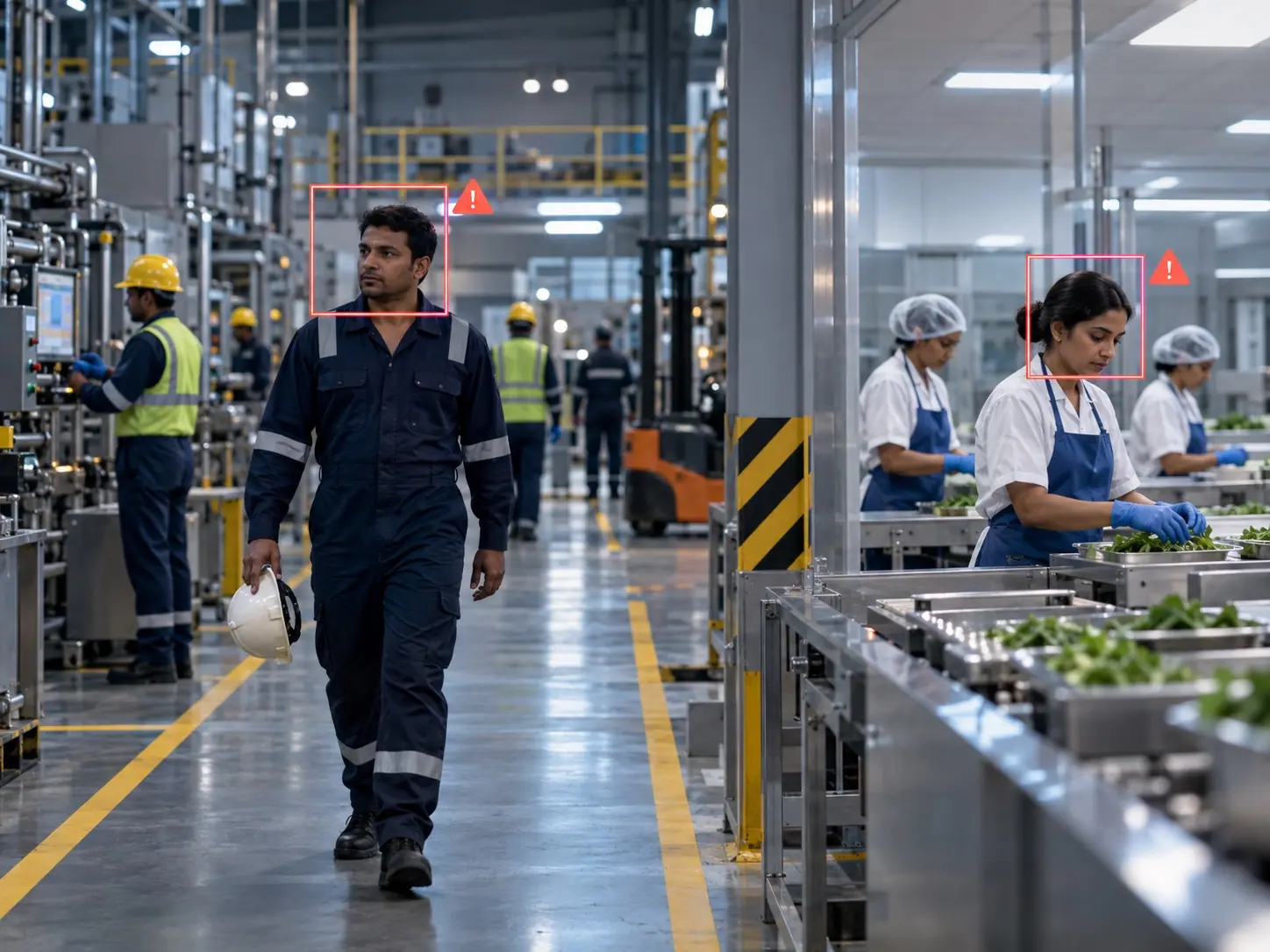 Protect · Reconstruct
Enforce safety gear, catch people entering danger zones, and trace accidents step by step across the site.
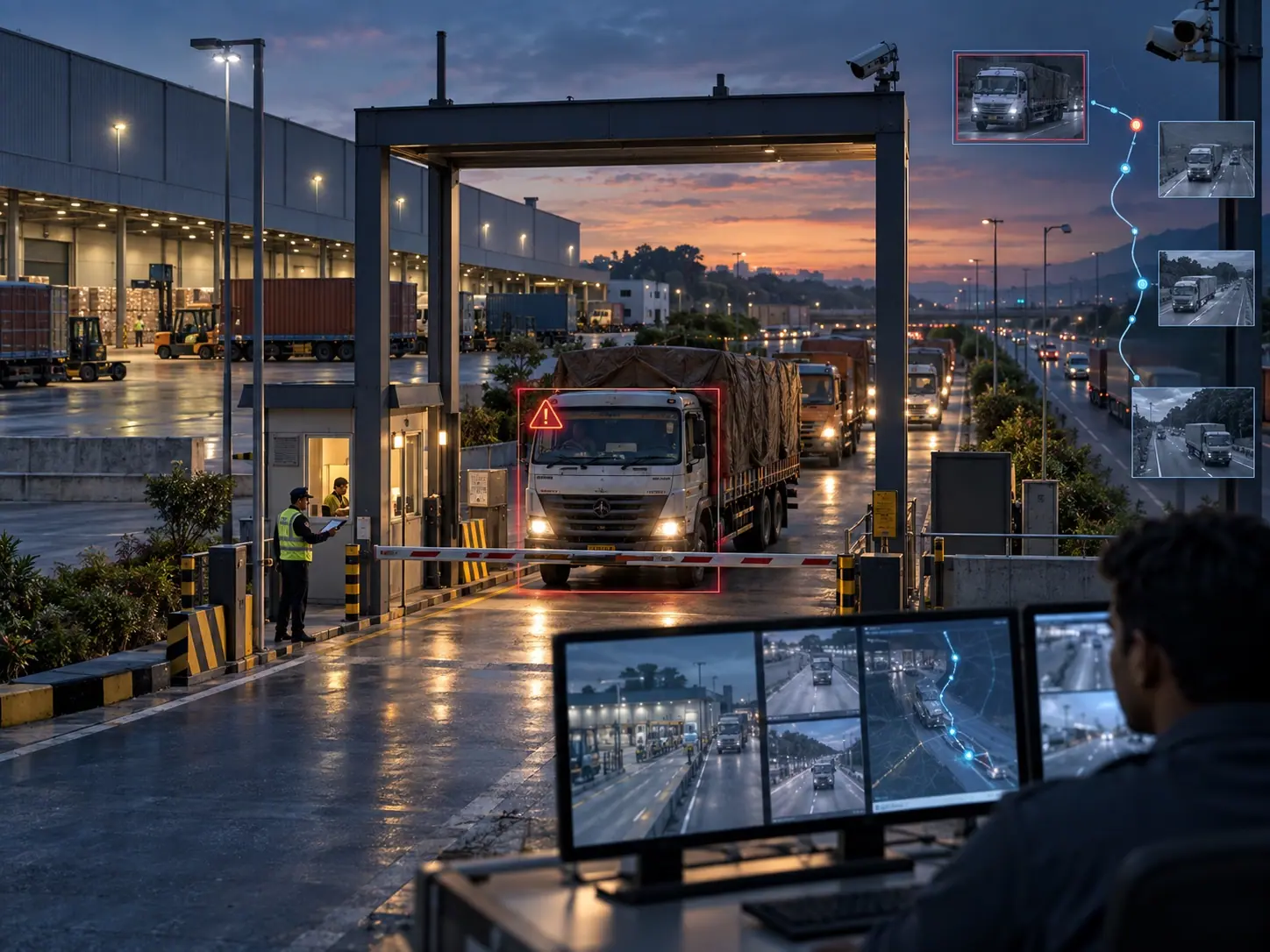 Log · Dwell · Trace
Log trucks by number plate, see how long each one stays at a dock, and trace goods and forklifts across the facility.
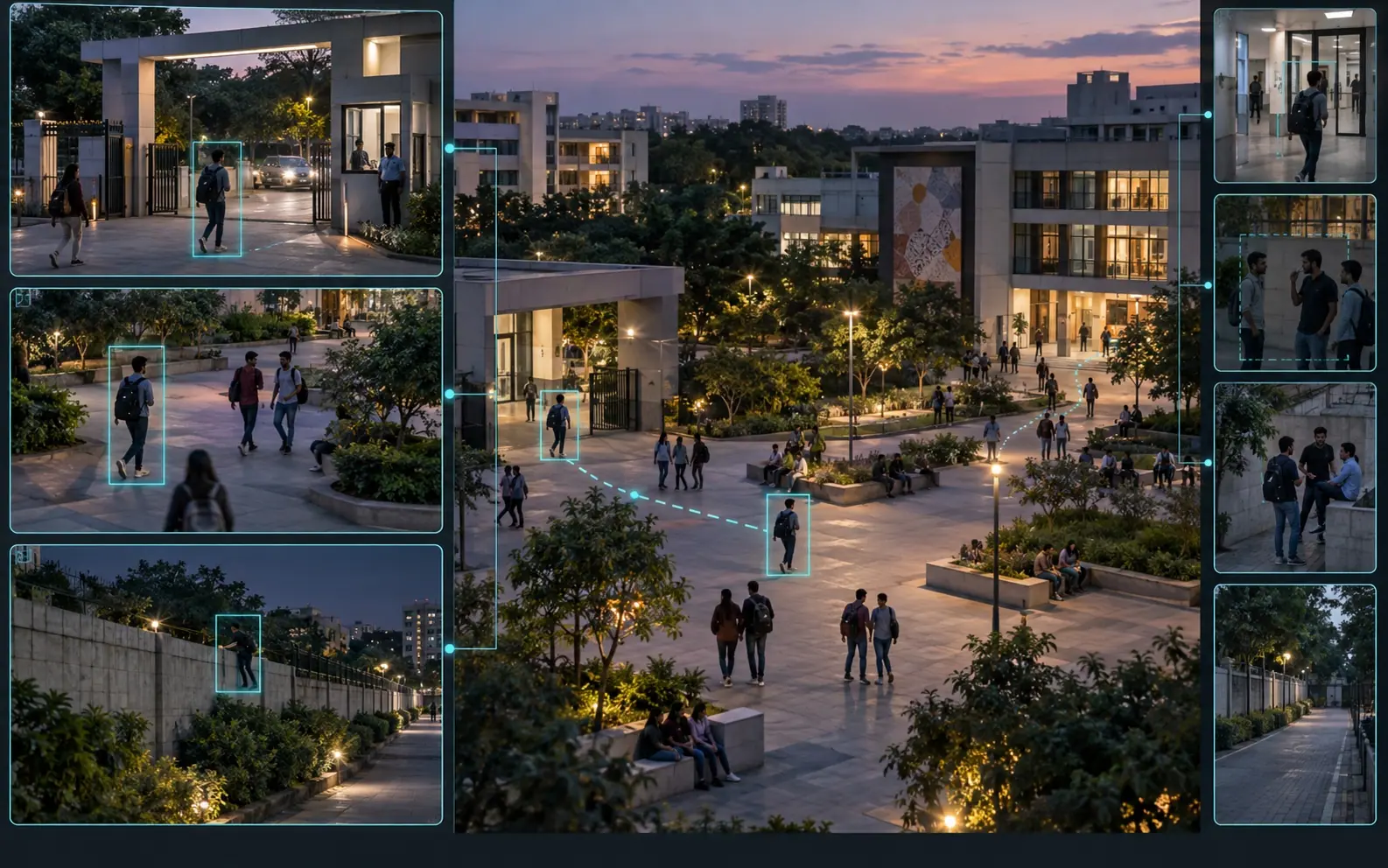 Find · Trace · Verify
Catch smoking, fighting, or wall-climbing, and find a missing student across every campus camera.
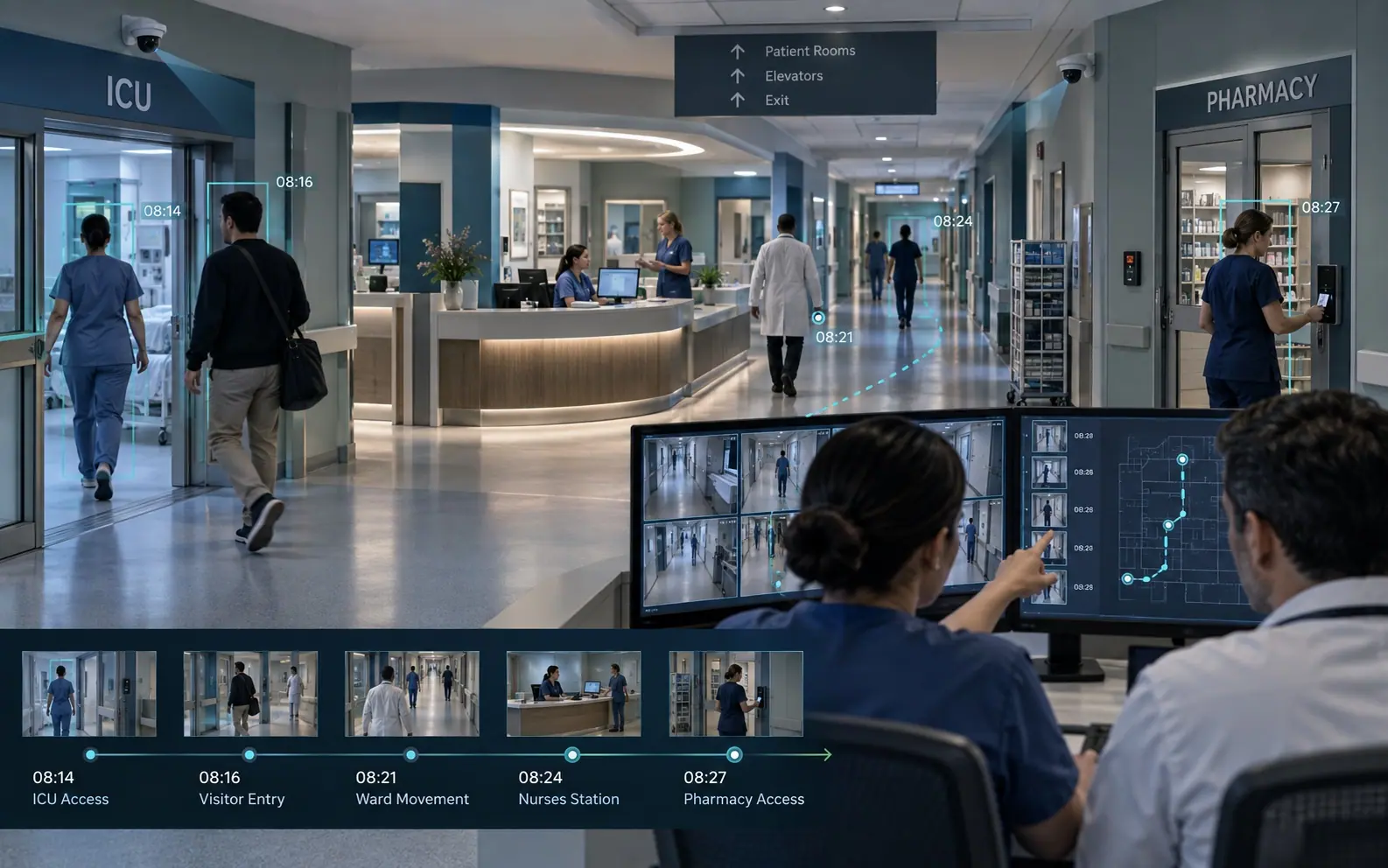 Access · Timeline · Audit
Watch who enters ICUs and pharmacies, spot unusual activity on wards, and investigate incidents with a clear record of what happened.
From a plain-language brief to a reviewable report, every step stays connected to the source footage and the human responsible for the decision.
Type something like “a vehicle stopped on the flyover for more than two minutes” or “someone climbing the compound wall.” The agent works out which cameras, time window, and analysis it needs.
There’s no fixed list of objects and no retraining. A fast search pulls a shortlist, then a vision-language model checks each one and explains why it matches.
It spots every person and vehicle, groups repeat appearances of the same one, and describes clothing, carried items, vehicle type, and color.
The same person or vehicle is linked across cameras to show their full route: where they went, when, and how long they stayed.
It reads number plates and matches faces and plates against your watchlist of persons and vehicles of interest.
It flags riders without helmets, triple-riding, and wrong-way driving as candidates for review.
An AI investigator answers questions like “which of the people near the bus was carrying a bag?” by working through the evidence step by step.
Agents only flag candidates. Nothing is confirmed automatically, and every alert links back to its snapshot and footage.
It writes an automatic case summary and a report with evidence hashes, the model versions used, and a Section 65B / BSA 2023 certificate.
Choose the deployment model, access boundaries, audit trail, and retention policy that fit the environment.
Install beside your NVRs or run it hosted. Footage does not have to leave the building.
For sites with no outbound network, the full pipeline runs on local hardware.
Who can open a case, view faces, or export evidence is set per role, not per person.
Searches, views, confirmations, and exports are recorded with the user and timestamp.
CCTV360Grid reports what is in the footage. It does not predict behaviour or rate people.
Crops, embeddings, and case files follow your retention policy and expire with it.
An event has limited value until the system understands where it occurred, what camera produced it, which organization cares about it, who owns that geography or mission, and who is authorized to act.
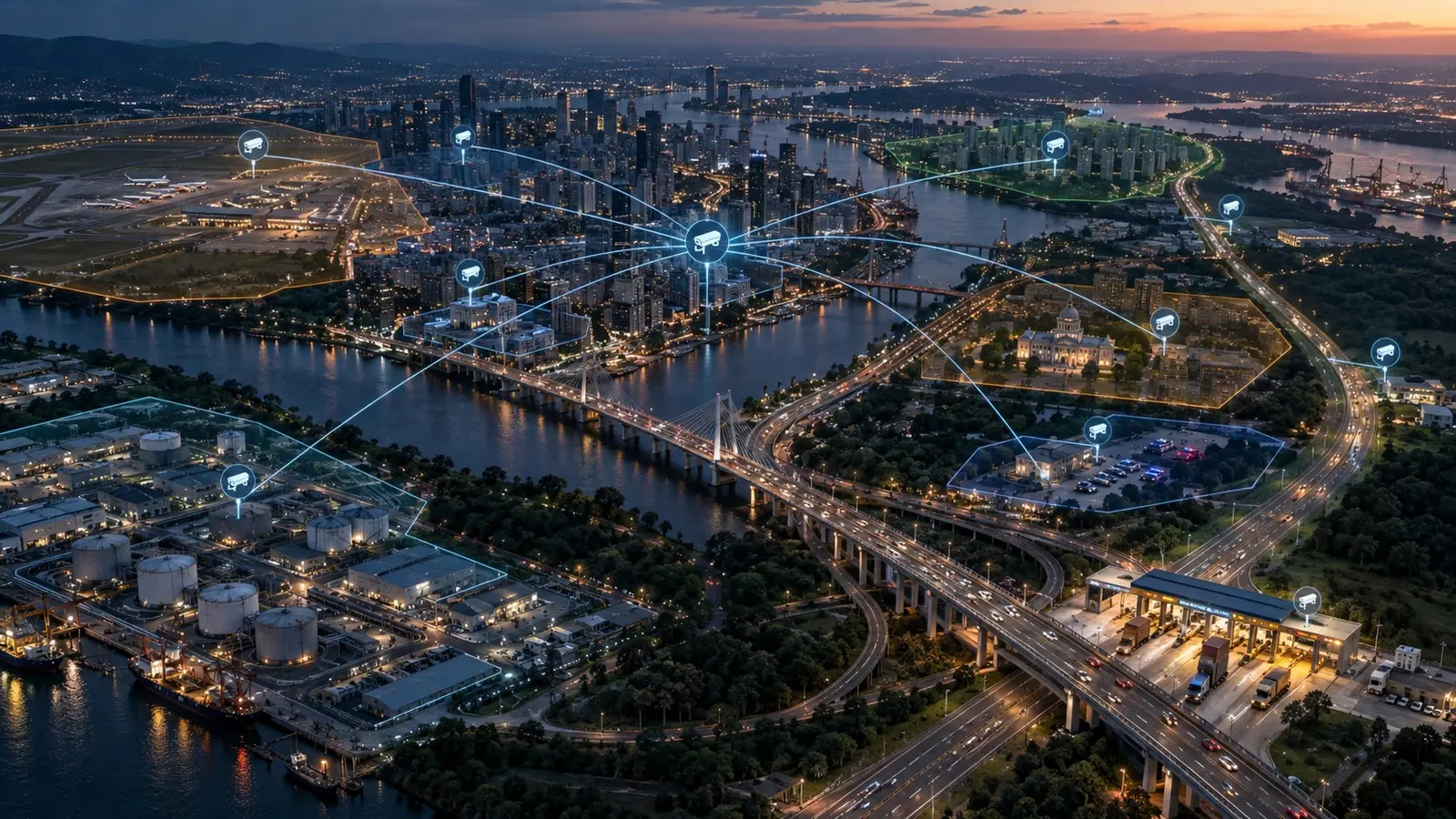
What CCTV360Grid can model
Creates a common identity for camera, location, channel, VMS and analytics references.
Maps state or region, district, zone, corridor, ward, site, facility, check post and other operational geography.
Represents departments, ministries, units, teams and reporting hierarchies.
Defines which unit or team owns a camera, location, event category or mission for a given department.
Maps first responders, check posts, enforcement units, command centres and other responsible groups.
Controls which users can see, search, track, administer or act on intelligence.
Standardizes event classifications, priorities, routing and notification behavior.
A shared camera can be relevant to several government departments at the same time. CCTV360Grid separates the common source of camera intelligence from each department’s jurisdiction, users, responsibilities, alerting rules and operational workflow.
First responders
Police station / district
Enforcement teams
RTO / road jurisdictions
Check posts
Mining zones / corridors
Operational teams
Zones / wards / missions
Reuse the estate you already have. Change the mission, responsibility and response model—not the camera infrastructure.
Designed for operational reality
Bring video, analytics, geography, ownership and response into one accountable intelligence layer.